
Services
Ear Wax Management
Blocked or muffled hearing can have several causes. An ear examination helps determine whether wax is contributing and whether removal or medical referral is appropriate. Contact the practice to confirm earwax services and appointment availability.
Evaluation First
Why Professional Ear Wax Removal Matters
Find out what is causing the blockage.
Earwax protects and lubricates the ear canal. Buildup may interfere with hearing or an ear examination, but visible wax does not always need removal. A provider can examine your ears and recommend the next step.
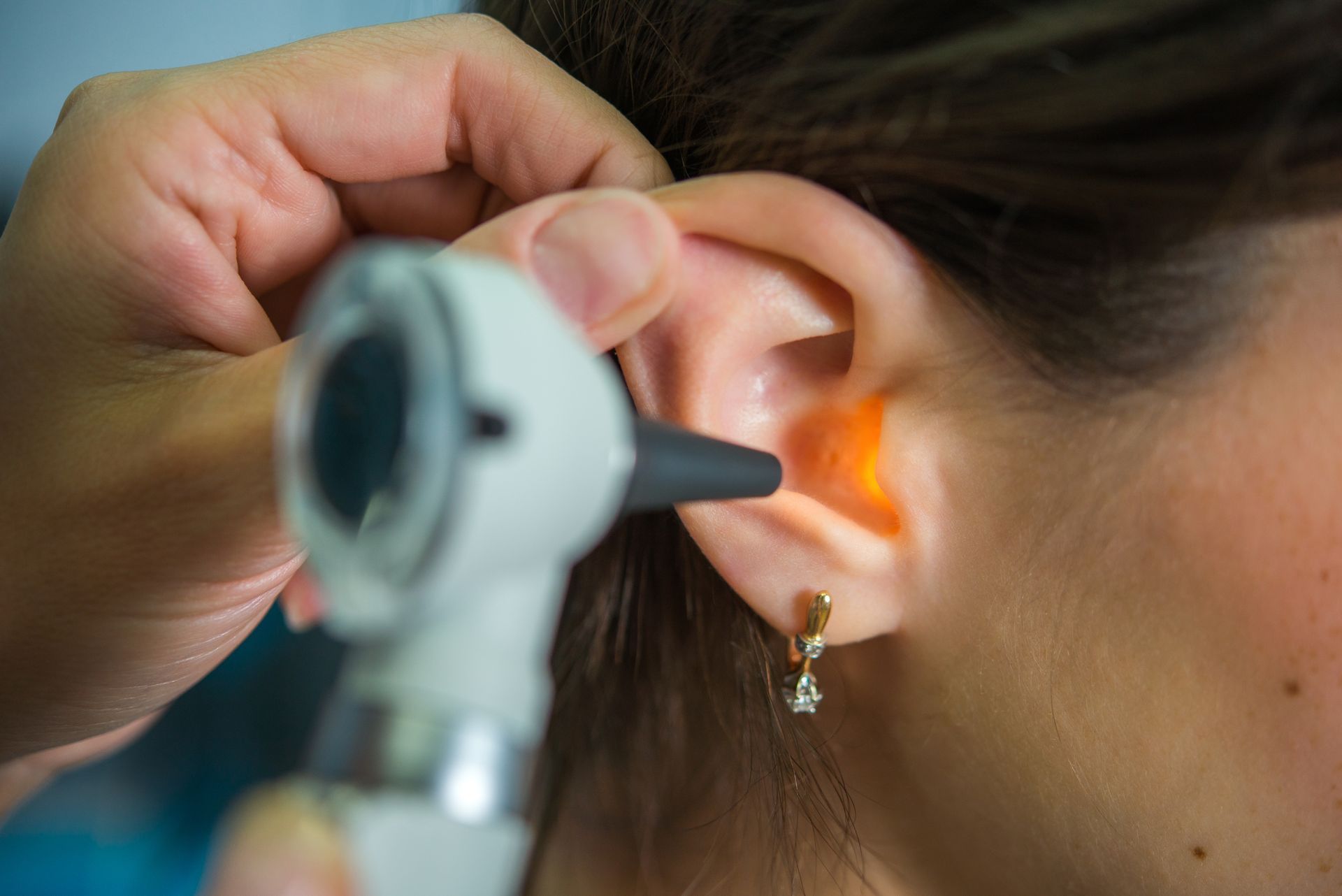
- Discuss your symptoms and ear-health history.
- Check whether wax is contributing to the concern.
- Explain suitable removal options or referral.
Sudden hearing loss
Seek medical attention immediately for a sudden hearing change. Do not assume it is wax or wait for a routine earwax appointment.
Removal Options
The Earigator System
An irrigation option where offered.
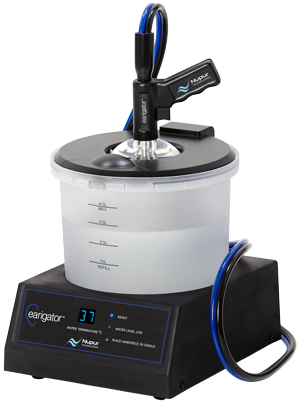
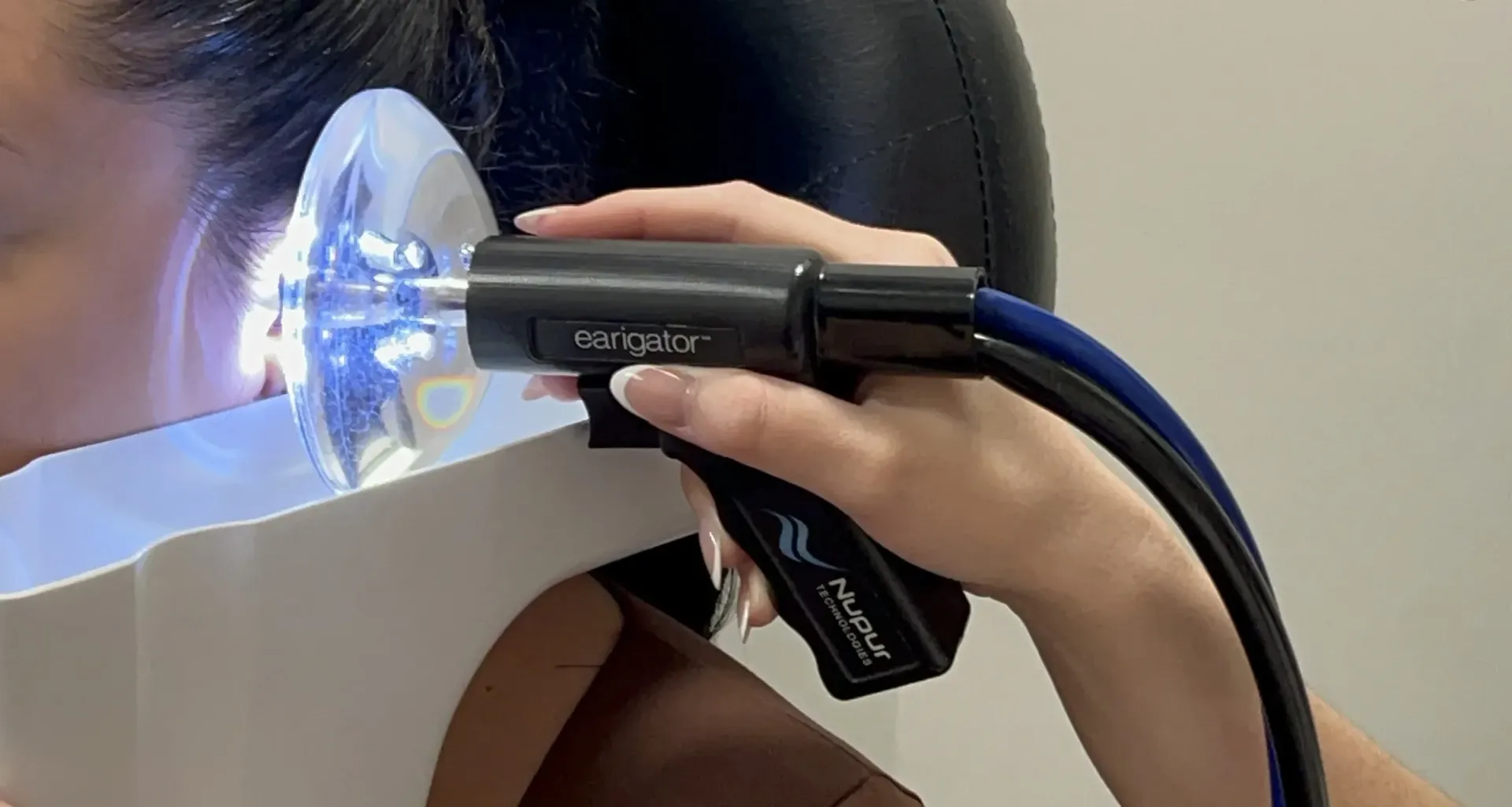
Where available and clinically appropriate, Earigator uses water irrigation to help remove earwax. Its system regulates water temperature, pressure, and flow; its handpiece provides illumination and magnification.
- Suitability is checked before treatment.
- Tell your provider about ear surgery, eardrum perforations, tubes, or recent infections.
- The provider explains the procedure and any alternative or referral needed.
Irrigation is not suitable for every ear. Comfort, visit length, and hearing improvement vary; no method guarantees a pain-free visit or restored hearing.
Changes to Notice
When to Have Your Ears Checked
Symptoms need an examination, not a guess.
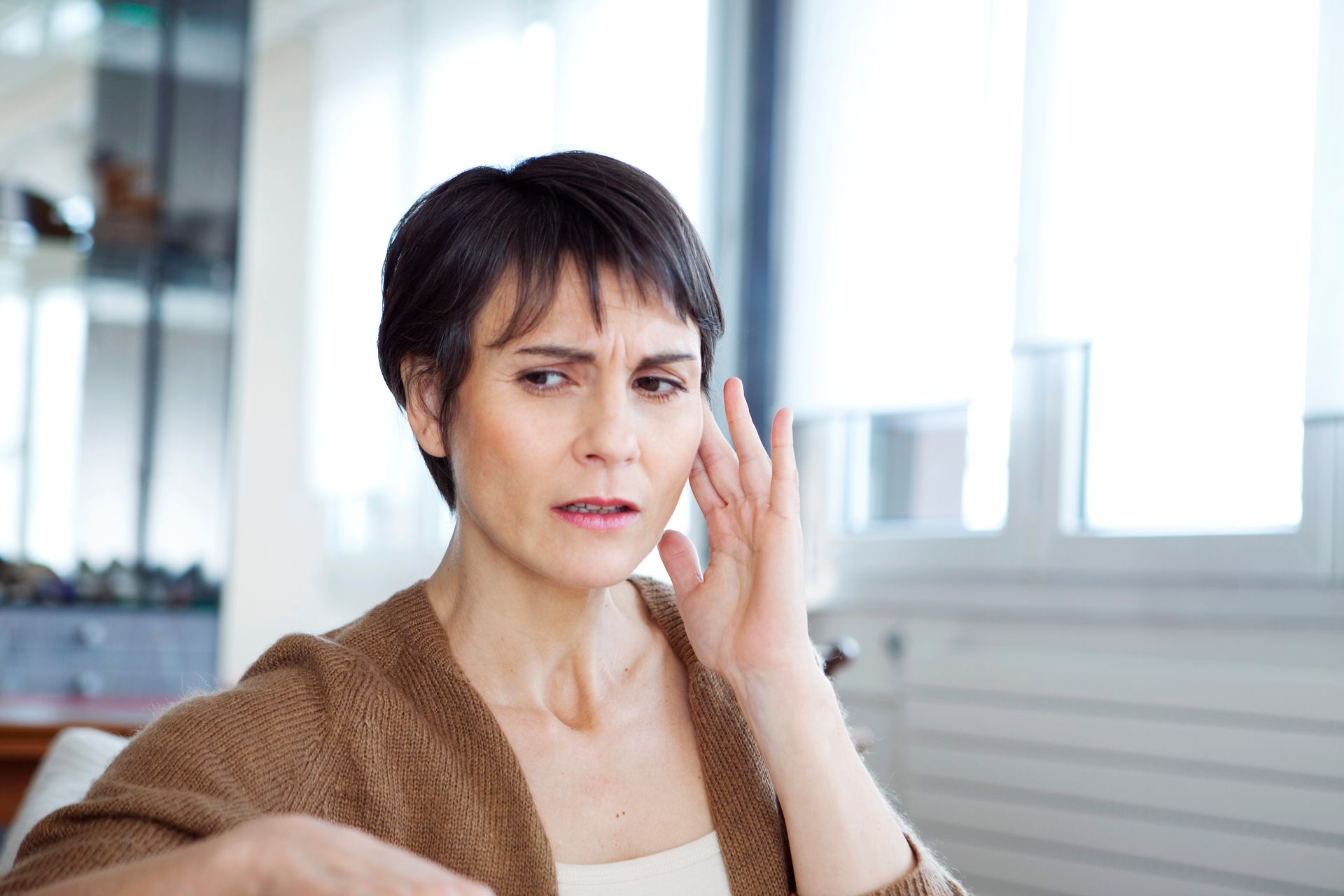
Fullness, reduced hearing, ringing, or a change in hearing aid performance may occur with wax buildup, but they can also have other causes.
- Ear fullness or a blocked sensation.
- A change in hearing or ringing in the ears.
- A change in hearing aid sound or performance.
Ear pain, drainage, or bleeding need medical attention. A sudden hearing change requires immediate medical assessment.
Your Appointment
What to Expect During Your Visit
History, examination, and a clear next step.
- Discuss your symptoms, previous ear procedures, and relevant ear-health history.
- Have your ears examined to determine whether wax removal is appropriate.
- Discuss the available method or referral, then review the result and any follow-up needed.
If hearing concerns remain after wax is addressed, further assessment may be needed. Ask about appointment length, charges, and available methods when booking.
Between Visits
Caring for Your Ears Between Visits
Keep care gentle and individual.
Clean the outside of your ears; do not insert cotton swabs, picks, or other tools into the canal. Avoid ear candles. Ask a qualified provider before using drops or liquids, especially after ear surgery or with a history of eardrum problems.

Ask whether you need an individual wax-management plan. Follow manufacturer instructions for hearing aid cleaning.
Schedule an Earwax Evaluation
Contact us to discuss your symptoms and confirm whether this practice offers suitable earwax evaluation and removal. Ask about provider availability and any charges.