
Services
Hearing Aid Repair and Maintenance
Help for Your Hearing Aids
Bring Your Hearing Aids In for Repair or Maintenance
Hearing aid quieter, intermittent, or not working?
Tell us what has changed and which devices you use. An assessment helps identify whether cleaning, adjustment, replacement parts, or a repair referral is appropriate. We service all hearing aid brands, including devices purchased elsewhere. Repair options depend on the model, age, condition, and availability of parts.
Sudden hearing loss
If your hearing itself suddenly changes, seek medical attention immediately rather than waiting for a hearing aid repair appointment.
Repair Options
All Make Repair Lab: Understanding Your Options
Start with your device and the problem.
Repair support depends on the hearing aid brand, model, age, condition, and availability of replacement parts. Contact the practice to confirm whether it can assess your devices, including hearing aids purchased elsewhere.
- Share your brand, model, and what has changed.
- Ask whether assessment or repair is available for your devices.
- Confirm estimated timing, charges, and warranty coverage before proceeding.
Depending on the issue, the next step may be cleaning, a replaceable part, an adjustment, or repair by a manufacturer or specialist lab. Some older devices may no longer have parts or repair support.
Choosing the Next Step
In-Office Care and Repair Assessment
Find out what your device needs.
A device check helps identify whether the concern can be addressed through cleaning, an adjustment, or a replaceable part. Internal faults or damage may need a manufacturer or specialist repair. Available work depends on the device and the practice.
- Inspection and cleaning, when appropriate.
- Assessment of device-specific parts or settings.
- An explanation of referral options, estimated timing, and charges.
Moisture Management
Redux Professional Drying
An option for moisture in hearing devices.
Where offered, Redux is a professional drying system that removes and measures moisture in hearing devices. The provider can discuss whether a drying treatment is appropriate for your device and concern.
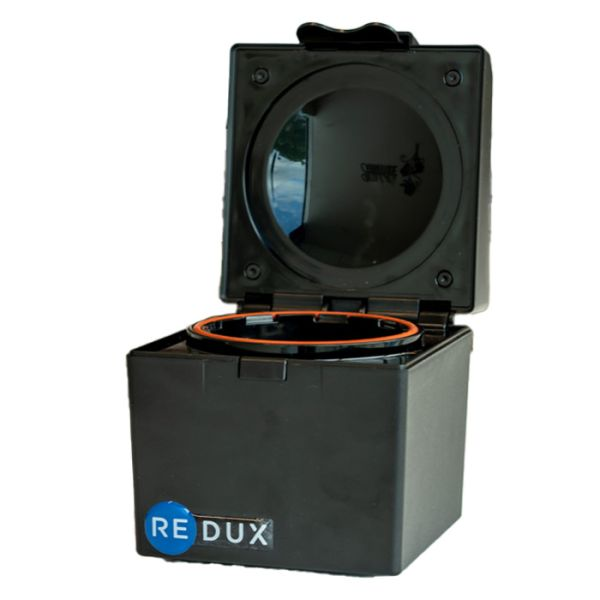
- Uses a controlled evaporation process to remove moisture.
- Reports the amount of moisture removed.
- Does not replace assessment of other faults or guarantee that a damaged device will be restored.
Everyday Device Care
Professional Cleaning and Routine Maintenance
Care that matches your hearing aids.
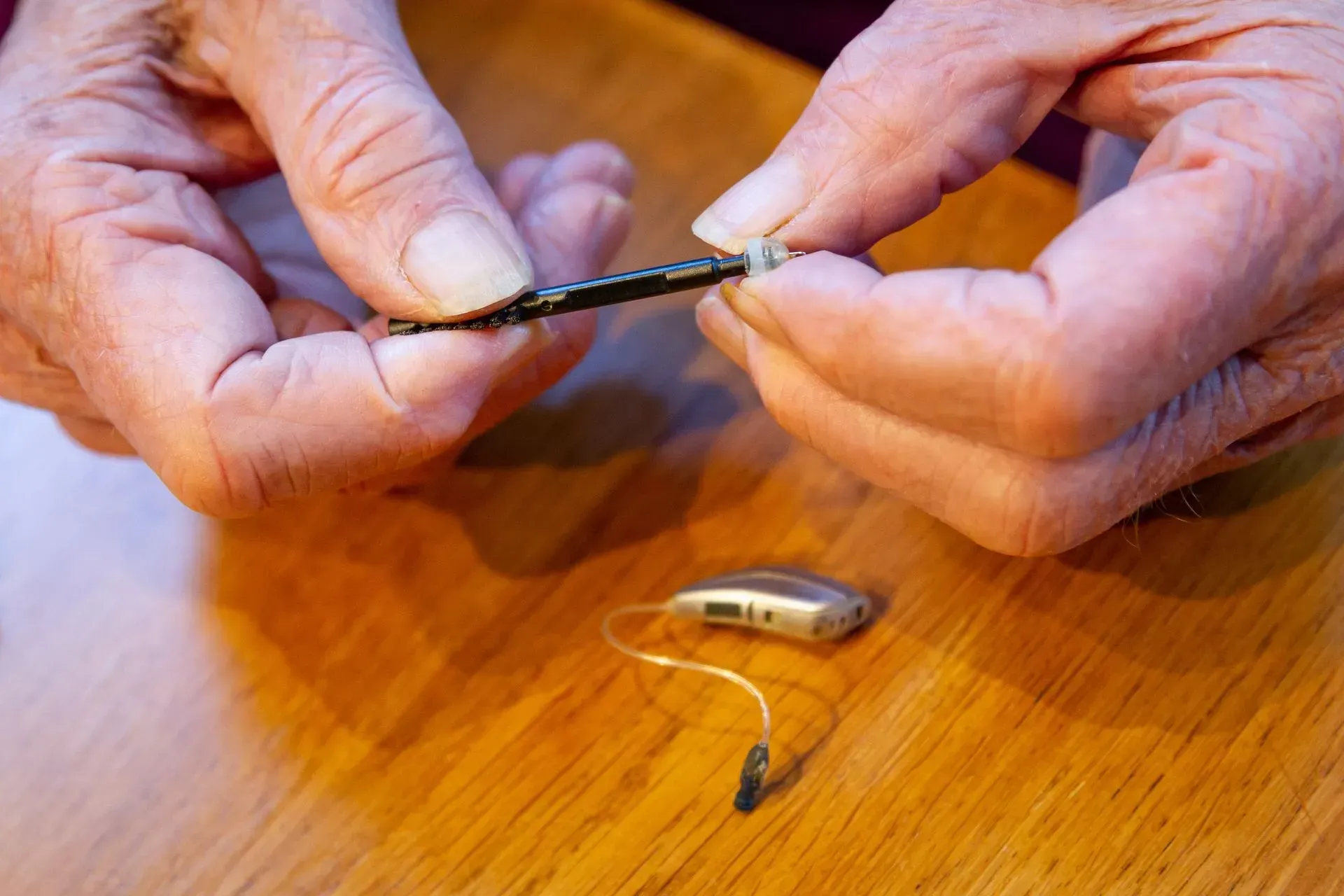
Follow the care instructions for your hearing aid model. Cleaning methods differ by device and earpiece; ask your provider if you are unsure which tools, filters, or replacement parts to use.
- Handle devices with clean, dry hands and over a soft surface.
- Follow your model instructions for surface cleaning and wax-filter care.
- Ask your provider to recommend a maintenance schedule for your devices and needs.
Know Your Device
Understanding the Parts of a Hearing Aid
Different parts have different jobs.
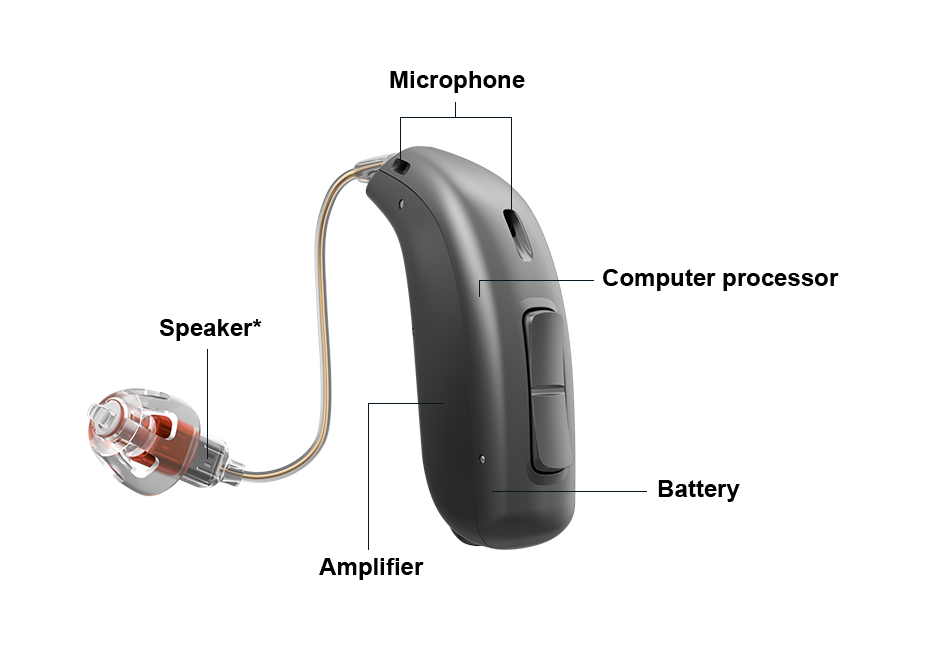
Microphones pick up sound. The processor and amplifier shape and increase the signal, and the speaker, also called the receiver, delivers sound to the ear. A battery supplies power. The arrangement varies by hearing aid style.
Follow model-specific instructions for consumables such as wax filters and domes. Ask your provider about internal faults rather than opening the device yourself.
My favorite sound
A mountain stream
What's your favorite sound? Let's help you hear it.
Bring Your Hearing Aids In for Repair or Maintenance
Tell us which hearing aids you use and what has changed. Contact us to confirm assessment and repair options for your devices, along with appointment availability and any charges.